By Toby
September 10, 2026
Choosing between fixing an aging overhead structure and investing in a complete overhaul represents one of the most significant financial crossroad choices that any property owner will face during their tenure. The shelter protecting your household from extreme environmental elements requires careful stewardship, consistent monitoring, and timely professional intervention to maintain its fundamental structural integrity over many years. Evaluating the current state of your building involves delicate balancing acts, weighing immediate out-of-pocket expenses directly against long-term financial security, asset preservation, and structural reliability for decades to come. When unexpected issues arise overhead, deciding on the most effective path forward demands a clear understanding of both short-term fixes and long-term construction projects.
Many property owners struggle to determine the exact moment when minor fixes cease to be cost-effective compared to installing an entirely new continuous protective system. Selecting the appropriate strategy depends on several critical factors, including the precise age of existing materials, regional climate challenges, immediate budgetary constraints, and your overarching plans for the property. By thoroughly exploring the underlying dynamics of structural preservation, financial forecasting, and modern construction standards, you can confidently navigate this decision and protect your structural assets. Taking the time to analyze every variable ensures that your choice supports your immediate living comfort while safeguarding your long-term equity.
Evaluating Overall Structural Integrity
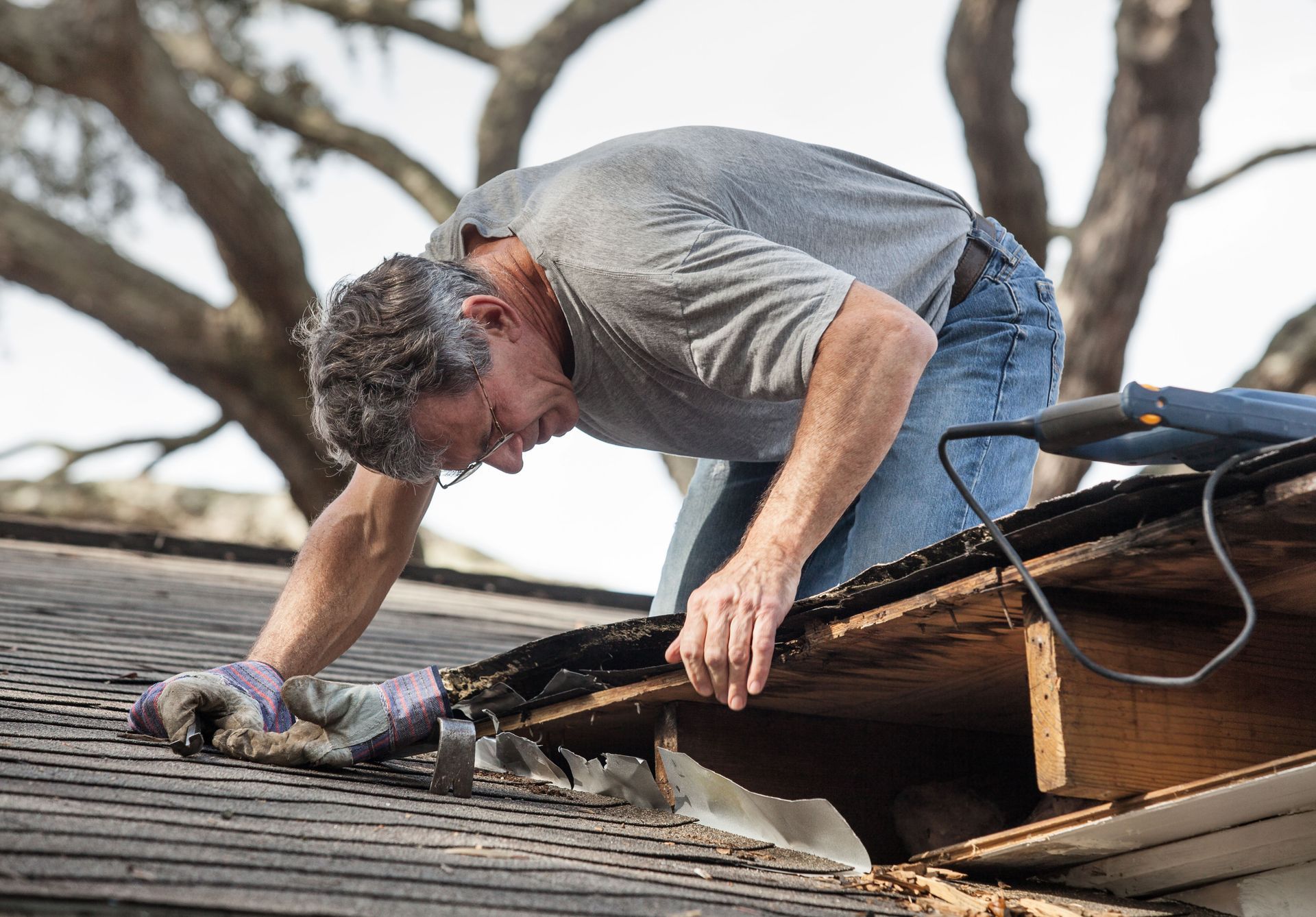
Determining the current condition of your shelter begins with identifying visible signs of distress and calculating the remaining operational lifespan of existing materials throughout the structure. Persistent moisture stains on ceiling surfaces, missing exterior shingles, cracked valley flashings, and compromised seals around vertical structures indicate that water intrusion is actively occurring and eroding your building envelope. Addressing minor issues quickly through targeted roof repairs can prevent localized water damage from spreading into heavy support beams, attic insulation layers, interior drywall, and foundational frameworks. Taking immediate action at the first sign of a leak minimizes structural decay and prevents minor aesthetic flaws from escalating into catastrophic failures that compromise the entire residence.
According to Gitnux, the re-roofing sector comprised 78% of total roofing projects, reflecting a strong homeowner emphasis on property maintenance. Understanding both options will arm you with the necessary knowledge to protect your investment while ensuring the comfort and safety of your household. When structural components show widespread deterioration across multiple quadrants, simple localized patches can no longer provide adequate, uniform protection against severe weather events. In these advanced stages of wear, pursuing a full system overhaul becomes the safer, more dependable, and vastly more economical long-term path forward for maintaining structural soundness.
Comparing Financial Outlays and Costs
Navigating the financial trade-offs between localized maintenance and full system installation requires a comprehensive analysis of both immediate expenses and prospective future obligations. Localized fixes generally demand a much lower initial capital outlay, making them an extremely attractive option when unexpected weather damage occurs during tight financial periods. However, relying continuously on frequent roof repairs to patch widespread deterioration across an aging surface can quickly accumulate substantial cumulative costs that eventually exceed the overall price of an entirely new installation. Property owners must track their maintenance spending carefully to recognize when ongoing patchwork becomes a drain on household reserves rather than a prudent saving strategy.
Installing a new system requires a higher upfront financial commitment, but it establishes predictable long-term costs and effectively eliminates ongoing maintenance expenses for many years. A fresh installation typically enhances thermal performance, lowers monthly utility bills, and elevates overall property valuation in competitive real estate markets. Comprehensive financial planning must account for immediate labor, permit, and material expenses alongside future structural savings on routine upkeep, energy consumption, and potential insurance incentives. By evaluating the complete lifecycle cost of your shelter rather than focusing solely on the immediate invoice, you can make a financially sound decision that protects your family balance sheet.
Analyzing Longevity and Performance Expectations
Evaluating structural resilience involves comparing the short-term functional benefits of patching specific damaged areas against the enduring performance provided by comprehensive new construction. Patching damaged sections can resolve immediate leaks and extend the overall serviceability of a functional structure for several additional seasons without major disruption. Nevertheless, isolated roof repairs cannot halt the natural aging process of surrounding materials that are reaching the end of their design lifecycle. As materials age, they lose their elasticity, granular protection, and resistance to environmental stressors, leaving the surrounding unpatched areas increasingly vulnerable to sudden failure.
A complete system overhaul provides immediate peace of mind backed by comprehensive manufacturer warranties, modern material technologies, and unified installation standards. Modern synthetic underlayments and engineered shingles offer superior resistance to extreme wind uplift, heavy snow accumulation, violent hail impacts, and prolonged ultraviolet radiation exposure. Choosing a complete system replacement eliminates recurring structural vulnerabilities, minimizes ongoing routine maintenance demands, and provides robust, seamless protection for the entire underlying building architecture. This comprehensive approach ensures that your shelter performs reliably during extreme weather events without requiring constant emergency interventions.
Navigating Insurance and Policy Coverage
Securing maximum policy protection requires understanding how insurance underwriters view ongoing structural maintenance versus full system replacement projects within their risk models. Most standard property insurance policies provide coverage for localized damage caused by sudden, unpredicted weather events like severe windstorms, fallen tree branches, or localized hail impacts. Promptly executing necessary roof repairs after storm damage occurs helps demonstrate responsible property management, satisfying strict policy requirements and preventing secondary interior destruction. Keeping detailed documentation of all professional inspections and maintenance work ensures that your insurance carrier maintains an accurate record of your proactive upkeep efforts.
Replacing an outdated structural system can alter your insurance policy conditions significantly, often leading to reduced annual premiums due to decreased risk profiles. Insurers recognize that modern, high-grade materials and brand-new underlayments drastically reduce the likelihood of water intrusion and catastrophic structural claims. Maintaining transparent, open communication with your policy provider ensures that all planned upgrades comply with underwriting guidelines and unlock all available policy discounts. By coordinating closely with your carrier during the decision-making process, you can maximize your financial protections while optimizing your policy coverage terms.
Maximizing Energy Efficiency and Sustainability
Integrating sustainable construction principles during structural maintenance projects enhances overall thermal performance and minimizes your ongoing environmental footprint across every season. Fixing damaged insulation, replacing missing exterior tiles, and sealing compromised external layers prevents conditioned air from escaping through top-floor ceilings and attic spaces. Timely roof repairs restore proper thermal barriers and airflow dynamics, reducing the operational burden on your heating and cooling equipment while lowering monthly energy consumption. Eliminating draft points and thermal bridges helps maintain stable indoor temperatures, creating a far more comfortable living environment for your entire family.
Complete system installations offer unparalleled opportunities to integrate advanced radiant barriers, solar-reflective cool roofing surfaces, and eco-friendly recycled materials into your home design. Modern high-efficiency materials prevent excess heat absorption during intense summer months, keeping attic spaces cooler and reducing air conditioning demands naturally. Partnering with dedicated professional contractors who prioritize responsible material recycling ensures that old construction waste is diverted away from municipal landfills and reused in secondary industrial applications. Investing in energy-efficient structural solutions supports global sustainability goals while delivering direct, measurable savings on your monthly utility bills.
Selecting the ideal strategy for your property ultimately hinges on your unique financial timeline, local climate conditions, structural age, and long-term homeownership objectives. If your current overhead structure is relatively young and suffered localized damage from a recent isolated weather event, scheduling targeted
roof repairs is the most sensible and cost-effective choice. However, if your structure is approaching the end of its intended operational lifespan and exhibits widespread deterioration across multiple areas, investing in a complete replacement will provide superior protection, improved energy efficiency, and total peace of mind. Contact Dynamic Construction MI today to schedule a comprehensive professional assessment and discover how our expert solutions can protect your property for a secure future.