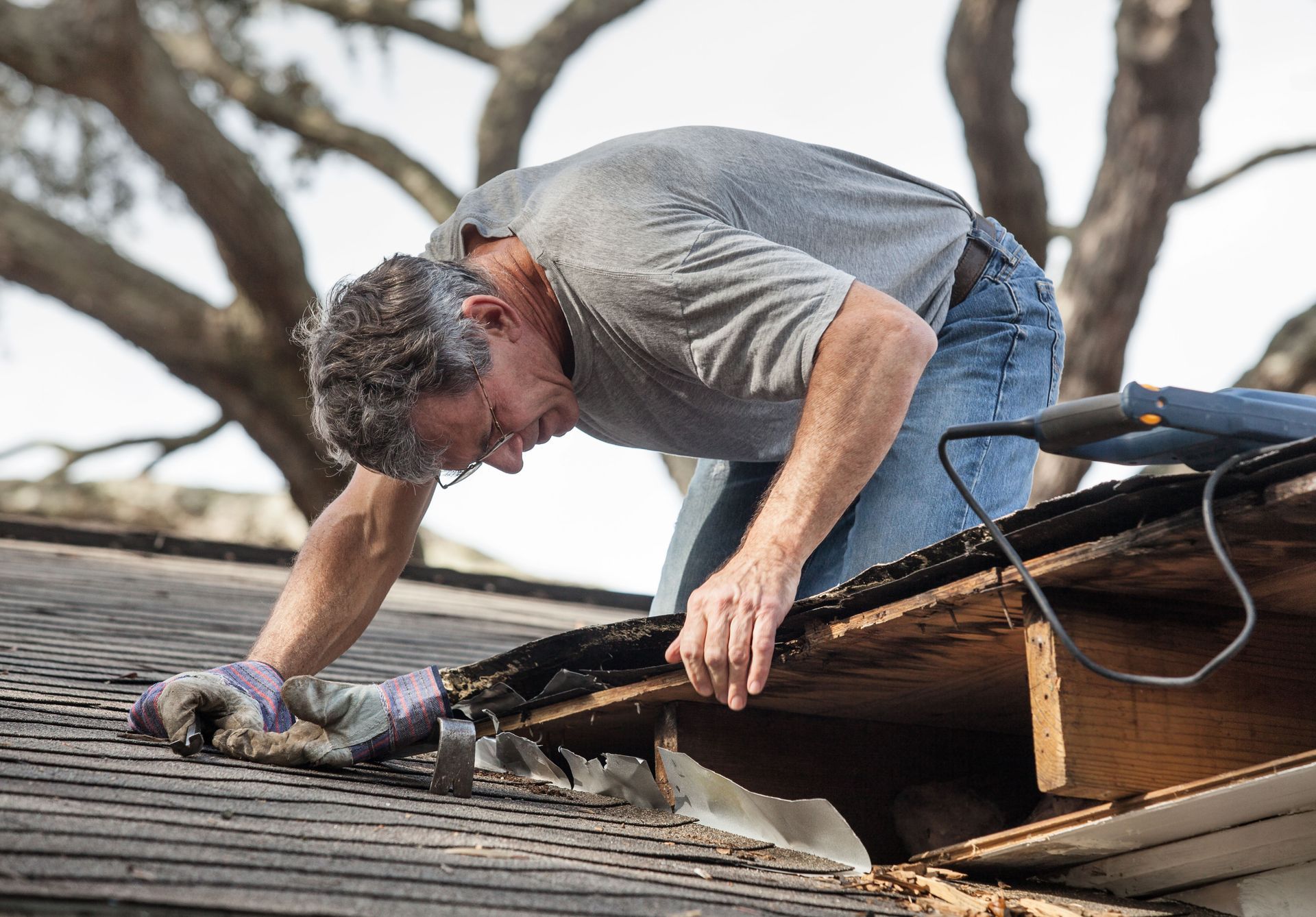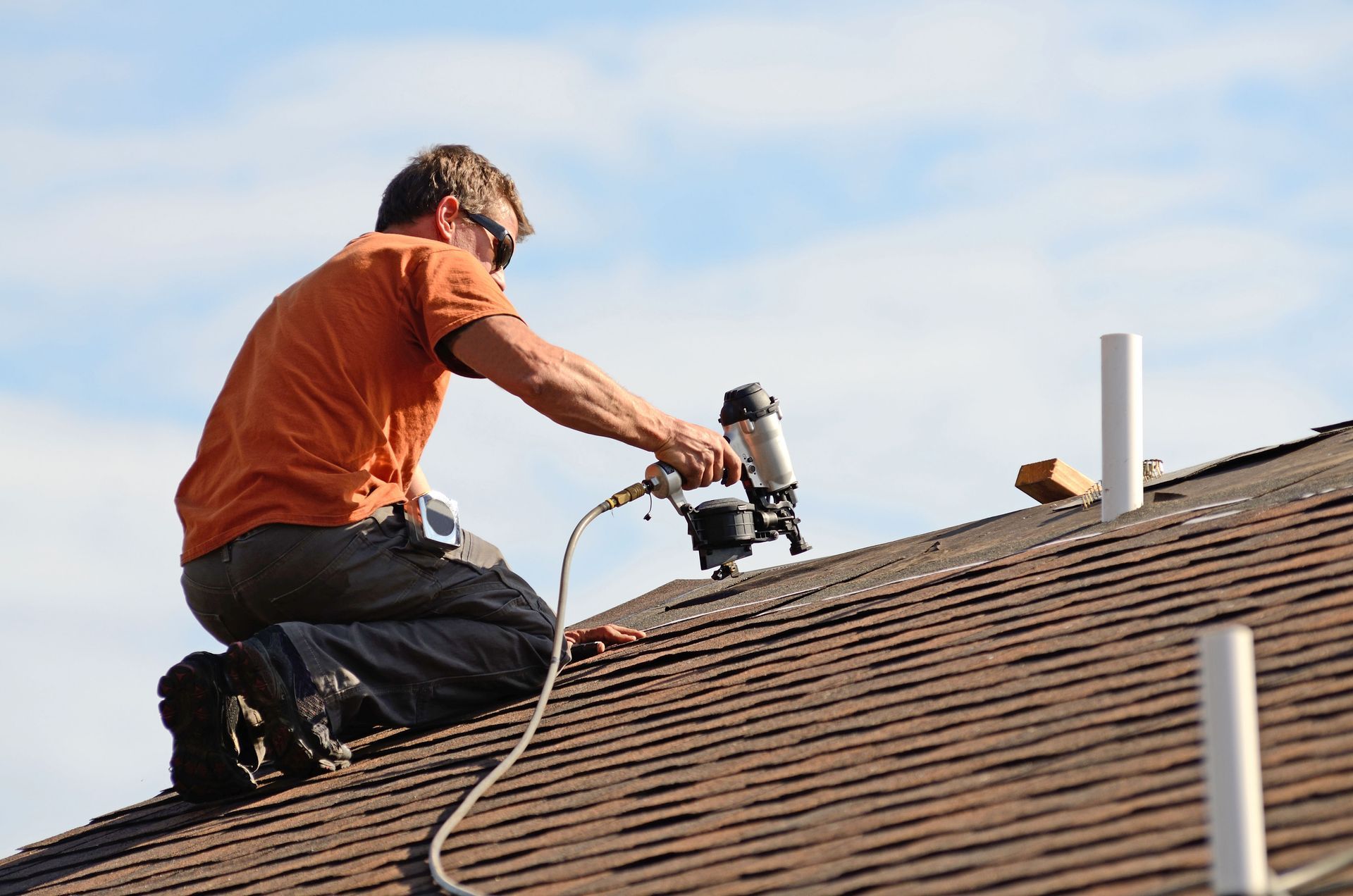
Your home is your primary defense against the elements, but even the sturdiest exterior requires routine upkeep. When a storm rolls through Monroe County, the last thing you want to discover is water dripping from your ceiling. Ignoring small signs of moisture can lead to extensive structural damage, quickly draining your savings. In the United States, replacing a roof costs an average of about $11,500, according to the Roofers Guild. Catching a leak early and arranging for minor corrections can save you from footing that massive bill prematurely. Knowing what to look for makes the process straightforward. By paying attention to a few key areas, you can catch vulnerabilities before they become major indoor floods. Here are six ways to identify potential leaks and the steps to resolve them, ensuring your home stays dry year-round.
1. Identifying Water Stains on Ceilings and Walls
An obvious sign that water is infiltrating your home is the appearance of brown, yellow, or copper-colored stains on your interior ceilings and walls. These water spots often start small and gradually expand with every rainstorm. The stain might appear in a corner, or it could form a large ring in the center of a room. Water can travel along rafters and piping, meaning the leak's origin might be far from where the stain actually appears.
How to Fix It: When you notice interior water stains, prompt intervention is needed. Instead of just painting over the mark, you must address the root cause. The best course of action is to schedule a free estimate and inspection. Professionals can track the water path from the stain to the exterior source. Once identified, a targeted roof repair will address the compromised decking or underlayment, permanently seal the entry point, and prevent future interior water damage.
2. Spotting Missing, Cracked, or Curling Shingles
Shingles serve as the first layer of defense against harsh weather, wind, and debris. Over time, extreme temperature fluctuations and severe storms can cause shingles to deteriorate. You might notice shingles that are visibly cracked, curling up at the edges, or completely missing from the surface, leaving dark, exposed patches. When the protective granular surface and the shingle structure fail, water has a direct pathway to the underlayment and the wood decking below.
How to Fix It: Do not ignore missing or degraded shingles. If the damage is localized to a small area, a quick roof repair can replace the missing pieces and secure the surrounding area. Technicians can match new Owens Corning materials to your existing layout. Choosing a professional roof repair for these minor issues keeps the overall structure intact. If curling and cracking are widespread, evaluating a full replacement is necessary.
3. Checking for Clogged or Damaged Gutters
Gutters play an essential role in keeping your entire exterior dry. If gutters become clogged with leaves, twigs, and debris, water cannot flow away from the structure. Instead, the water backs up and pools under the edge of your shingles, eventually rotting the fascia board and seeping into your home. You might notice water overflowing the sides during a rainstorm or see visible sagging in the aluminum channels. Over time, this unchecked cascading water can also damage your exterior siding and threaten the structural integrity of your foundation.
How to Fix It: The immediate fix is thorough gutter cleaning and maintenance. Clearing out the debris allows water to route properly away from your foundation. If the channels are sagging, bent, or pulling away from the fascia, you will need professional gutter services to realign or replace them. Addressing these drainage issues is a crucial step in proactive roof repair, as it eliminates the backed-up moisture that causes edge rot. Upgrading to custom seamless gutters can prevent future clogs.
4. Inspecting Flashing for Cracks and Tears
Flashing consists of the metal strips installed around vulnerable areas of your exterior, such as chimneys, vents, and valleys where two slopes meet. Because these areas experience heavy runoff, flashing directs water away from the seams. Over the years, the metal can rust, and the sealant around it can dry out, crack, or peel away. If you see lifted metal or broken seals around your chimney or vents, you are looking at a highly probable leak source.
How to Fix It: Fixing compromised flashing requires precision. Applying a temporary layer of caulk will not hold up to the elements for long. The proper solution involves scheduling a thorough roof repair to carefully remove the surrounding shingles, lift the damaged metal, and install brand-new, rust-resistant flashing. Certified technicians will ensure that the area is properly resealed and integrated with the surrounding Owens Corning materials. This guarantees water is safely directed downward.
5. Looking for Granules in Your Gutters
As shingles age, they lose the small, sand-like granules coating their surface. These granules are vital because they protect the asphalt coating from damaging ultraviolet sun rays and provide fire resistance. If you clean your gutters and notice a heavy accumulation of these granules at the bottom of your downspouts, it is a sign that your materials are breaking down at an accelerated rate. Bald spots on the surface mean the materials will soon become brittle and prone to leaking.
How to Fix It: Excessive granule loss usually indicates that the materials are nearing the end of their lifespan. An expert can perform a free inspection to evaluate the extent of the degradation. If only a few sections are losing granules, a localized roof repair might suffice. However, if the granule loss is uniform and extensive, a full replacement is typically required. Available financing makes upgrading to a new system backed by a 50-year manufacturer warranty much more manageable.
6. Noticing Musty Odors and Attic Moisture
Sometimes, you can smell a leak before you can see it. If your attic or upper floor develops a musty, damp odor, moisture is likely trapped inside. When you investigate the attic, you might find damp insulation, black streaks on the wooden rafters, or a feeling of heavy humidity. Poor ventilation can exacerbate this issue, turning a small amount of trapped moisture into a major mold and rot problem. Ignoring the smell will only lead to more costly roof repair bills down the road.
How to Fix It: Resolving attic moisture requires a multi-step approach. First, utilize an emergency service to stop the water intrusion immediately if a severe storm caused the breach. Next, you need a comprehensive roof repair to replace any rotted decking and secure the exterior breach. Finally, to prevent future condensation, ensure your home has proper ventilation. Lomanco Ventilation certified professionals guarantee your attic breathes properly, keeping the space dry.
Keeping your home safe from water damage requires vigilance and a willingness to act at the first sign of trouble. Whether you spot water stains on your ceiling or notice missing shingles, identifying these issues early minimizes damage. While spotting the signs is something you can do, fixing the underlying issue requires an experienced professional. From minor patching and gutter maintenance to complete exterior overhauls, relying on certified experts ensures the job is done the first time correctly. Do not wait for a small drip to turn into a massive structural headache that drains your bank account. Reach out today for a free inspection and discover the peace of mind that comes with hiring Dynamic Roofing MI.